Crypto's Murky Waters: Pardons, Bots, and the Trump Card
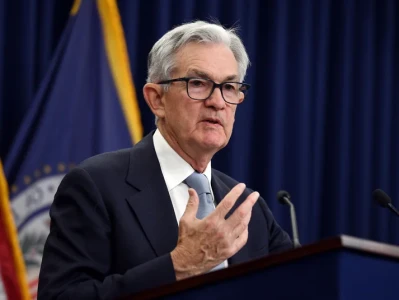
Trump says he doesn't know Changpeng Zhao (CZ), the Binance founder he just pardoned. Okay. But let's look at the emerging pattern: crypto, Trump, and a whiff of something not quite right. The pardon itself raises eyebrows, especially given Zhao's guilty plea for enabling money laundering back in 2023. Four months served; a slap on the wrist, really. The White House spun it as correcting Biden's "war on cryptocurrency," but the timing is…interesting.
Zhao's companies have partnered with firms linked to Trump, including Dominari Holdings, where Trump's sons are advisors. And let's not forget the stablecoin launched by World Liberty Financial (a Trump family venture), which was supposed to be used for a $2 billion investment in Binance by an Abu Dhabi firm. Coincidence? Maybe. But the connections are undeniable.
Then there's the SEC seemingly backing off investigations into crypto firms with ties to Trump. Investigations into Coinbase, OpenSea, Robinhood, and Kraken, all paused. Was this a calculated move, or just a change in priorities? The data isn't conclusive, but the optics aren't great.
The timing coincides with Trump proclaiming the "war on crypto is over." That’s a bold statement, especially when you consider the DOJ is still prosecuting individual crypto fraudsters and money launderers. It's like saying, "We're not against the game, just the really obvious cheaters."
Bot vs. Bot: Is It Fraud, or Just Clever Coding?
The Peraire-Bueno case adds another layer of complexity. Two MIT-educated brothers accused of siphoning $25 million in crypto using sophisticated bots. The question: is it fraud, or just superior programming? The defense argues it's simply bots outsmarting other bots – a digital Darwinism of sorts.
An acquittal here could be a nail in the coffin for federal crypto regulation. A guilty verdict, on the other hand, might embolden prosecutors to go after similar schemes. The SDNY is already 0-for-2 in cases involving the blockchain itself. They lost the Eisenberg case (a pump-and-dump exploit) and couldn't get a jury to agree on whether Tornado Cash CEO Roman Storm laundered $1 billion in dirty crypto.
Juries struggle with these cases. Imagine trying to explain the intricacies of blockchain, block creation, and bot behavior to a group of laypeople in a few days. It's a "tall task," as Laurel Loomis Rimon put it. Can the feds tame Ethereum's bot-eat-bot hellscape? Looming verdict for MIT's 'crypto brothers' could help decide.
The defense argues, "How can you defraud a pre-programmed bot?" It’s a clever argument, but Bill Walsh points out that humans are still behind those bots. Proving intent to deceive is key.
And this is the part of the report that I find genuinely puzzling. We have the rise of algorithmic trading in traditional finance, but this feels different. The speed and anonymity of crypto create a perfect storm for these kinds of exploits.
Aditya Palepu estimates that $280 million in crypto trades gets "drained" by bots every month because traders' orders are revealed before they're finalized. That's a substantial amount (over a quarter of a billion dollars, monthly). The brothers face up to 20 years per count (conspiracy, wire fraud, and money laundering).
Crypto's Wild West Just Got Weirder
Trump's pardon of Zhao, coupled with the DOJ's mixed record in crypto fraud cases, paints a picture of a regulatory landscape in flux. The connections between Trump and the crypto world (through ventures and pardons) are hard to ignore. Whether it's a deliberate strategy or just a series of coincidences is unclear, but the data suggests a definite trend. The question isn’t whether cryptocurrency is here to stay (it is), but who gets to write the rules of this new digital frontier?