Title: Milwaukee's Chainsaw Recall: A Cut Above the Average Fiasco?
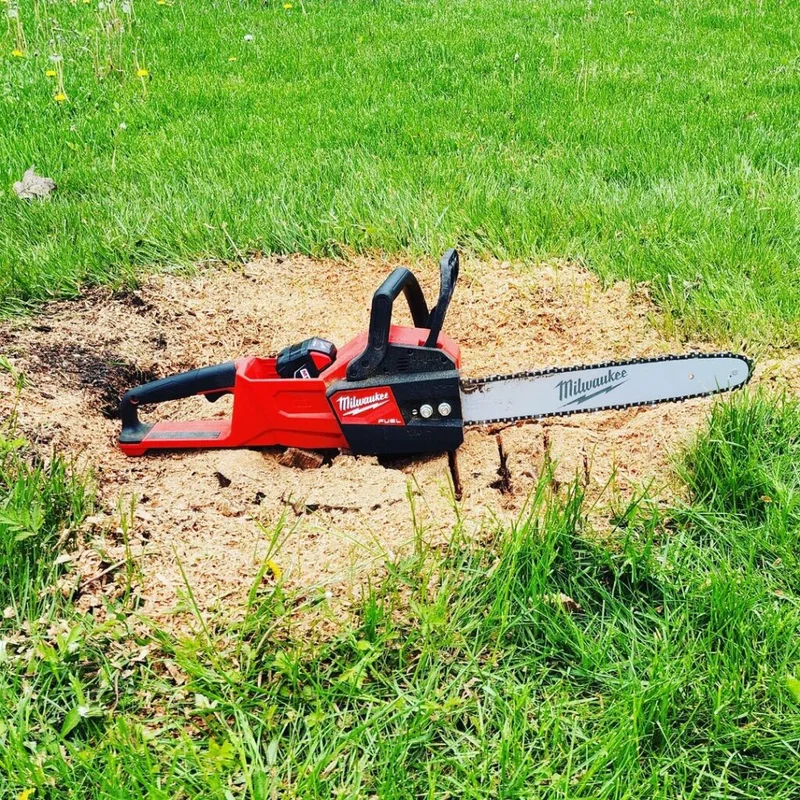
Milwaukee Tool, a name practically synonymous with job site reliability, is facing a recall of over 90,000 of its M18 FUEL Top Handle Chainsaws. The culprit? A potentially faulty chain brake, raising the specter of laceration risks. It's a classic case of quality control biting a respected brand, but let's dissect the data and see if this is just a minor nick or a deeper wound.
Drilling Down into the Details
The recall affects model 2826-20 M18 FUEL Top Handle Chainsaws, specifically those with the letter "A" as the fourth character in their serial number. (This level of specificity is crucial; it's not a blanket recall of all M18 chainsaws.) These units, with either a 12" or 14" bar, were sold at major retailers like Home Depot and online from March 2023 through September 2024. The price point is also relevant: about $350 for the bare tool, or $790 for the kit with batteries and a charger.
Now, let's talk about the injury reports. The company has received two reports of the chain brake failing, with one resulting in a lacerated finger. Two incidents out of nearly 91,000 units. That’s a failure rate of approximately 0.002%. While any injury is unacceptable, that percentage puts the risk into perspective. The question is, how many near misses went unreported? We don't have that data, and that's a critical gap in our understanding of the severity of the problem.
The company is offering a free repair, asking customers to register their saws online to receive a prepaid shipping label. This is standard procedure, but the speed and efficiency of the repair process will be key to mitigating the damage to Milwaukee's reputation. Will they be able to turn around these repairs quickly, or will customers be left waiting for weeks, further eroding trust?
Weighing the Reputation Risk
Milwaukee's brand is built on reliability and durability. This recall directly challenges that perception. The fact that the chain brake – a safety feature – is the source of the problem amplifies the impact. It's not just about a tool malfunctioning; it's about a tool potentially causing harm.
I've looked at hundreds of recall notices, and the language used is always carefully chosen. The phrase "laceration risk" is particularly alarming. It's a clear acknowledgment of the potential for serious injury. This isn't a minor cosmetic defect; it's a safety hazard. A Milwaukee Tool chainsaw is being recalled due to this safety risk
But let's be clear: recalls happen. Even the most rigorous quality control processes can't eliminate every potential flaw. The key is how the company responds. A swift, transparent, and effective response can actually strengthen a brand in the long run. A bungled response, on the other hand, can be devastating.
The real question is, what was the root cause of this defect? Was it a design flaw, a manufacturing error, or a problem with a specific batch of components? Without knowing the underlying cause, it's impossible to assess the likelihood of similar issues arising in the future. And this is the part of the report that I find genuinely puzzling... Milwaukee hasn't released any details on the source of the malfunction.
So, What's the Real Story?
This recall, while concerning, doesn't necessarily spell disaster for Milwaukee. The relatively low number of reported incidents, combined with a proactive response, suggests that this is a manageable problem. However, the lack of transparency regarding the root cause of the defect is troubling. Until Milwaukee provides more information, a shadow of doubt will remain.