Denny's Going Private: A Golden Parachute or a Smart Pivot?
Denny's, the diner chain synonymous with late-night cravings and cross-country road trips, is being taken private in a $620 million deal. At first glance, the 52.1% premium over the stock's pre-announcement market value looks like a win for shareholders. They're getting $6.25 per share in cash, a tidy sum compared to the stock's recent performance. But let's dig a bit deeper.
The Debt Dilemma and the Downsizing Dance
The press releases paint a rosy picture of "delivering significant value." However, the reality seems more nuanced. Denny's has been grappling with increasing debt and a shrinking footprint. In March 2025, the company announced the closure of 70 to 90 restaurants for the year – an increase from the 32 closures initially projected in 2024. The actual number of closures in 2024 was even higher: 88 restaurants shuttered. Spartanburg-based Denny's is going private in $620 million deal. What to know
So, is this acquisition a strategic maneuver to escape the scrutiny of Wall Street and restructure without quarterly earnings pressure? Or is it a bailout disguised as a premium payout? The acquiring group includes Yadav Enterprises, a major Denny's franchisee, and TriArtisan Capital Advisors, which owns TGI Friday's and P.F. Chang's. These are not passive investors. They likely see an opportunity to streamline operations and leverage their existing restaurant portfolios.
The company has been publicly traded since 1968. Going private means escaping the regulatory burdens and short-term pressures of the public market. Denny's has struggled to compete with the proliferation of breakfast and brunch spots; they’ve closed over 180 locations since late 2024.
The Real Value Proposition
The $620 million valuation includes Denny's debt. It's a crucial detail often glossed over in headlines. What portion of that figure is actual equity versus assumed liabilities? That information isn't immediately available in the reports, but it significantly impacts the true value being offered to shareholders. (And this is the part of the report that I find genuinely puzzling. The lack of clarity around the debt portion makes it difficult to assess the deal's fairness definitively.)
Denny's operates 73 locations in Arizona and 1,278 in the U.S. While the Arizona presence is relatively small, the national footprint is substantial. The acquiring group is betting that they can revitalize the brand and improve profitability by focusing on operational efficiencies and strategic investments.
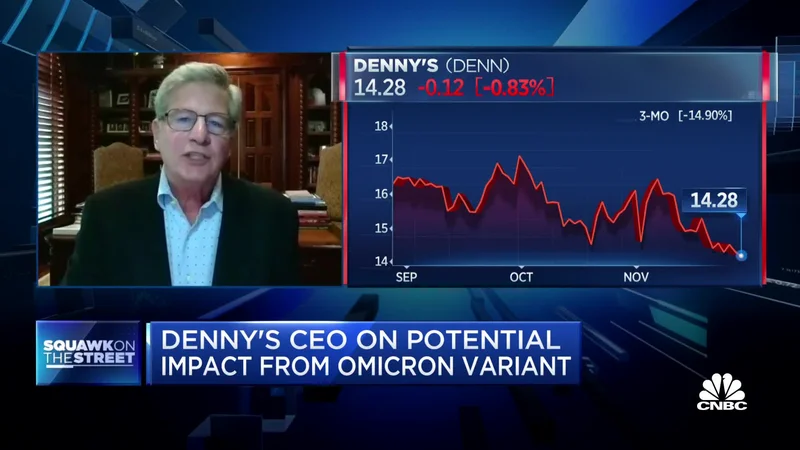
Denny's stock price jumped almost 50% on November 4th after the deal was announced. Before that, the stock had lost about a third of its value during 2025. This suggests that the market had already priced in some level of distress. The acquisition, therefore, provides an exit strategy for investors who were losing faith in the company's turnaround prospects. But what happens to the remaining 1,323 locations?
A Calculated Risk, Not a Fire Sale
The deal is expected to close in the first quarter of 2026, pending stockholder approval. This isn't a story of a company collapsing under its own weight. It's a story of strategic repositioning, albeit one driven by financial pressures. The new owners aren't just buying a brand; they're buying a challenge. The question is, can they successfully navigate the changing landscape of the restaurant industry and return Denny's to its former glory? Or will this be another case study in private equity buyouts gone wrong?
So, What's the Real Story?
A golden parachute for some, a high-stakes gamble for others. The premium masks underlying problems, and the debt load adds complexity. This isn't a simple win; it's a carefully calculated risk with a hefty price tag. The future of Denny's now rests on the shoulders of its new owners, and the data will ultimately reveal whether their bet pays off.